
Equine driving harness is a system of interconnected functional components, with fit and configuration depending on the animal, vehicle and driving discipline. Buyers should not treat a general leather strap-making capability as proof of experience in complete driving-harness manufacturing.
Find suppliers for this topic
No published supplier profile is currently matched to this specific guide. If your leather business provides these products or services, make your capabilities easier for trade buyers to discover.
Identify the harness configuration
Specify single, pair or other configuration and the intended turnout or driving application. Clarify breastcollar versus full collar, traces, breeching, saddle, reins, girth, backstrap, crupper and fittings as needed. Vehicle attachment arrangements can vary; supply technical diagrams or a reference harness, and identify the specialist who will approve the final system.
Size and fit requirements
State the animal category and provide measured dimensions rather than relying solely on names such as mini, shetland, pony, cob or full. Agree adjustment range, trace length, buckle placement and allowance for padding. A sample should be inspected for the intended animal and vehicle by a competent person before use.
Leather, stitching and fittings
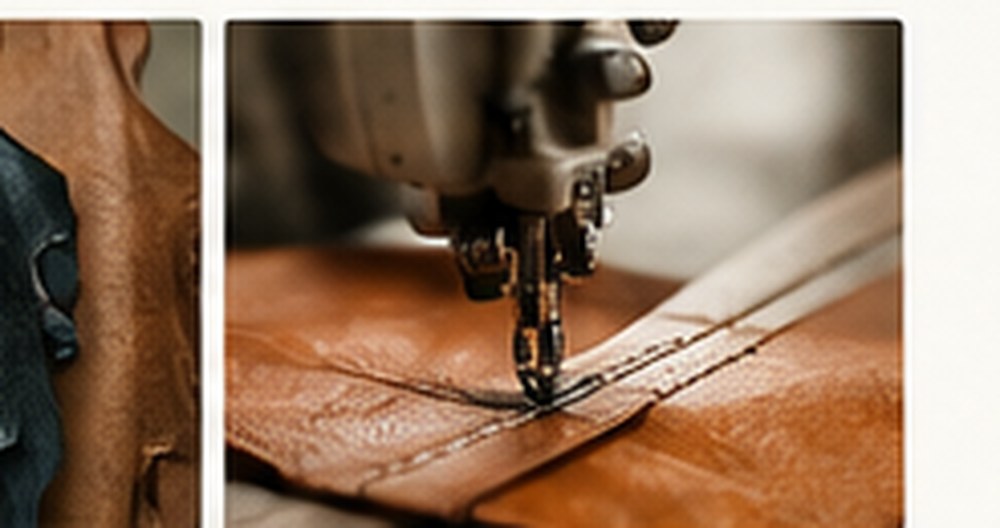
Specify leather type, thickness, temper, lining and padding, alongside hardware materials, thread, seam construction and reinforcement at working connections. Ask the factory to demonstrate how components are cut, stitched and inspected. Decorative finishes and alternative materials should be evaluated with the same functional scrutiny.
Quick-hitch, safety and component changes
If quick-hitch or special fittings are requested, provide complete compatible component specifications and responsibility for integration. An incompatible combination of fittings can cause practical and safety problems. Verify adjustment, release operation and clearance under knowledgeable supervision; no catalogue picture can substitute for a complete fit assessment.
OEM range and commercial quotation
Request prices by exact harness configuration, animal size and materials; include spare straps, repair parts, padding options and packaging. Agree acceptance of prototype and size-run samples, consistency of working connections, replacement arrangements and manufacturer identity. Sellers should avoid unsupported safety certifications or claims.
Questions to include in a factory enquiry
- Does the supplier manufacture this product at its own site or use subcontractors?
- Can it demonstrate comparable production and provide representative samples?
- What specifications, patterns, test reports or approvals are required?
- How do MOQs change by design, size, colour and material?
- What quality-inspection records, spare parts or replacement policies are available?
Explore manufacturers and related research
Search LeatherTradeHub’s trade directory for businesses declaring relevant capability, and submit a sourcing request with product drawings, materials, quantities and delivery needs. Inclusion on a directory does not guarantee suitability, safety or orders.
- Saddlery and harness buyer guide
- Harness manufacturer directory research
- Leather testing and inspection
Independent wholesale buying guidance, reviewed 31 October 2026. No supplier or product certification is implied.
LEATHERTRADEHUB · EDITORIAL REFERENCE
Cite this guide
LeatherTradeHub (2026) Leather Driving Harness Manufacturers: Wholesale & OEM Sourcing. Available at: https://leathertradehub.com/leather-goods-manufacturing/leather-driving-harness-manufacturers-oem/ (Accessed: 18 November 2026).
Canonical source: https://leathertradehub.com/leather-goods-manufacturing/leather-driving-harness-manufacturers-oem/
Source information and limitations: Editorial standards · Research and citation policy. Please verify current regulations and technical standards with their original publishers.