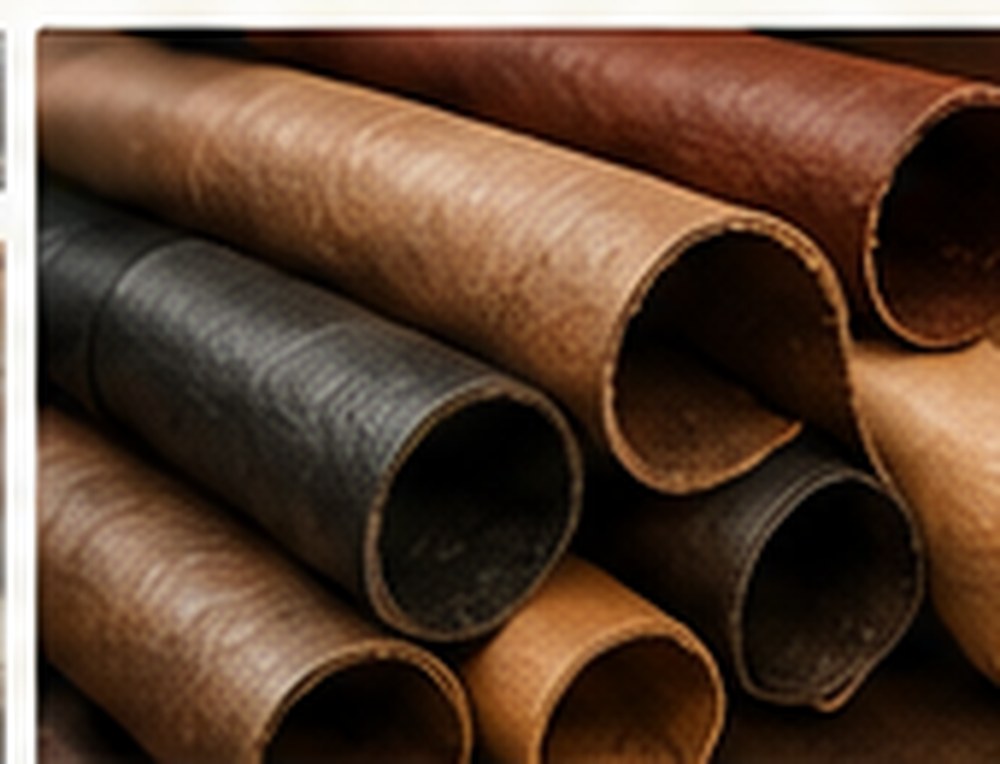
Vegetable tanning systems use plant-derived tanning materials, but commercial extracts can vary in composition, concentration, colour contribution and application behaviour. Tanneries should specify the exact extract and process requirements rather than treating all ‘natural tannins’ as equivalent.
Find suppliers for this topic
No published supplier profile is currently matched to this specific guide. If your leather business provides these products or services, make your capabilities easier for trade buyers to discover.
Identify the extract and form supplied
Ask for botanical source or commercial extract type, powder or liquid format, solids or concentration measure, storage requirements and expected batch variation. The supplier should be able to explain how its material is intended to be used and identify whether it manufactures the extract or distributes another firm’s product.
Define the process and finished leather article
Specify hide or skin type, intended leather end use, desired colour, firmness, penetration and processing schedule. A tannery producing firm saddlery leather may have a different recipe from one producing softer accessory leather. Agree pilot-scale trials and track the whole process rather than only final appearance.
Consider shade and consistency
Vegetable extract characteristics can affect leather tone and subsequent dyeing or finishing. Record the approved reference and acceptable variation across extract batches. Trial the finished article through downstream drying, staking, finishing and product assembly where applicable.
Documentation and environmental claims
Obtain technical and safety information and verifiable origin or sourcing statements where needed. ‘Plant-derived’ does not, by itself, prove low impact or suitability for a particular environmental label. Discuss wastewater and process management with qualified technical personnel, and distinguish extract origin from a certified finished leather article.
Pricing, supply security and RFQ
Compare product price with actual concentration, dose, freight and stock availability. Ask about lead time, packaging, shelf life and continuity of plant feedstock. Specify monthly consumption and the procedures to follow if extract characteristics change; this can be especially important in a repeat colour or heritage leather range.
Buyer enquiry questions
- What precisely is included in the product, machine or service quotation?
- Can the supplier provide production samples or evidence relevant to the proposed application?
- Which stages are performed in-house, and which are subcontracted?
- What are the MOQ, lead-time, documentation and replacement arrangements?
- How are deviations, defects or changes to approved specifications controlled?
Find suitable businesses and related guides
Use LeatherTradeHub’s supplier directory to research the stated roles of leather trade businesses, or submit a sourcing request describing your technical and commercial requirements. Listings do not guarantee capacity, product safety or transactions.
Editorial information for B2B sourcing, reviewed 31 October 2026. Verify technical and market-specific requirements before committing to a purchase.
LEATHERTRADEHUB · EDITORIAL REFERENCE
Cite this guide
LeatherTradeHub (2026) Vegetable Tanning Extract Suppliers: Tannins & Tannery Inputs. Available at: https://leathertradehub.com/leather-materials-finishing-testing/vegetable-tanning-extracts-suppliers/ (Accessed: 18 November 2026).
Canonical source: https://leathertradehub.com/leather-materials-finishing-testing/vegetable-tanning-extracts-suppliers/
Source information and limitations: Editorial standards · Research and citation policy. Please verify current regulations and technical standards with their original publishers.