
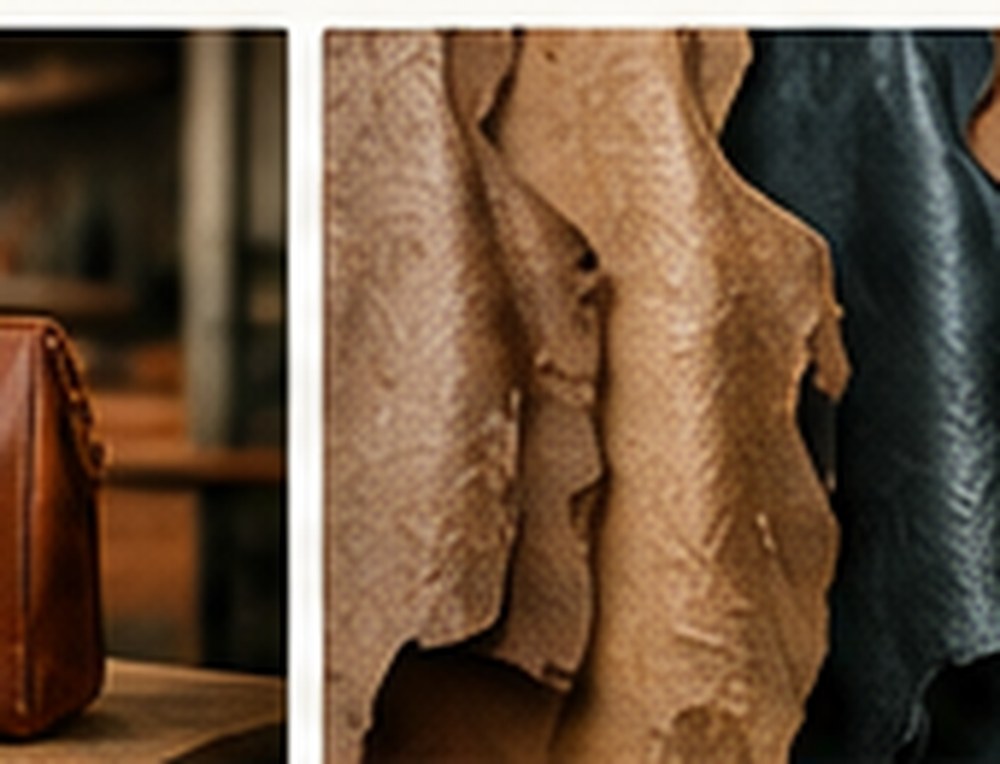
Sourcing leather furniture means evaluating the finished sofa or chair, the frame, filling, suspension and upholstery workmanship—not merely buying leather hides. A leather supplier may provide suitable upholstery material without manufacturing furniture, while an OEM furniture factory may buy its hides from several tanneries.
Find suppliers for this topic
No published supplier profile is currently matched to this specific guide. If your leather business provides these products or services, make your capabilities easier for trade buyers to discover.
Define the finished seating product
Provide size and seating drawings, intended market, frame materials, construction, suspension, foam or other filling, cushion configuration and leather coverage areas. Clarify which surfaces use full leather and whether any side or rear panels use an alternative material. A buyer should compare the actual product bill of materials rather than vague descriptions such as ‘genuine leather sofa’.
Specify upholstery leather for the use case
Choose finish, thickness, uniformity, contact wear expectations and acceptable hide markings. A family sofa, contract seating product and luxury decorative chair may demand different material properties. Request representative hide panels and confirm seam, colour matching and cleaning instructions.
Assess the factory beyond its leather samples
Ask about furniture frame fabrication, foam cutting, upholstery cutting, stitching and final assembly. Review how the factory inspects upholstery seams, panel tension, wrinkles, frame consistency and operation of mechanisms if included. Record which processes or components are subcontracted.
Market rules and product performance
Furniture safety, flammability, labelling and chemical requirements depend on product type and destination. Commission relevant finished-product testing and confirm the applicable requirements with competent specialists. Do not assume a tannery’s leather test report covers the entire upholstered product or its fillings.
Shipping, claims and repeat orders
Compare packing methods, carton or crate dimensions, moisture protection and freight terms. Agree acceptable visual variation and claims for transit damage or defects after delivery. Retain an approved seating sample, materials register, assembly specification and service-part list for reorders.
Questions to include in a factory enquiry
- Does the supplier manufacture this product at its own site or use subcontractors?
- Can it demonstrate comparable production and provide representative samples?
- What specifications, patterns, test reports or approvals are required?
- How do MOQs change by design, size, colour and material?
- What quality-inspection records, spare parts or replacement policies are available?
Explore manufacturers and related research
Search LeatherTradeHub’s trade directory for businesses declaring relevant capability, and submit a sourcing request with product drawings, materials, quantities and delivery needs. Inclusion on a directory does not guarantee suitability, safety or orders.
Independent wholesale buying guidance, reviewed 31 October 2026. No supplier or product certification is implied.
LEATHERTRADEHUB · EDITORIAL REFERENCE
Cite this guide
LeatherTradeHub (2026) Leather Furniture Manufacturers: OEM Seating & Upholstery Production. Available at: https://leathertradehub.com/leather-goods-manufacturing/leather-furniture-manufacturers-oem/ (Accessed: 18 November 2026).
Canonical source: https://leathertradehub.com/leather-goods-manufacturing/leather-furniture-manufacturers-oem/
Source information and limitations: Editorial standards · Research and citation policy. Please verify current regulations and technical standards with their original publishers.