
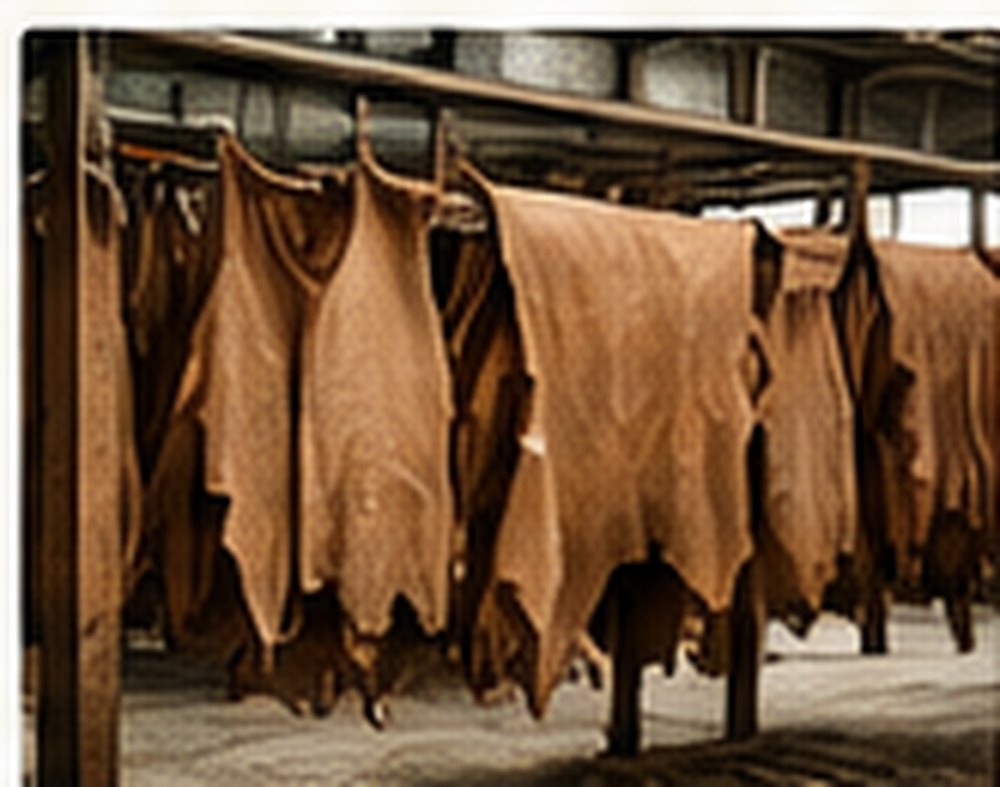
Wet-blue and crust leather are intermediate processing stages, not finished materials ready for every production use. Sourcing these articles requires technical alignment between the producing tannery, shipping partner and the facility that will retan, dye or finish them.
Find suppliers for this topic
No published supplier profile is currently matched to this specific guide. If your leather business provides these products or services, make your capabilities easier for trade buyers to discover.
Distinguish wet-blue, crust and finished leather
Wet-blue commonly refers to chrome-tanned leather held in a moist condition before further processing. Crust leather has undergone additional wet-end processing and drying but may still require finishing. Confirm the exact stage, tanning route, water content, condition and processes remaining. Avoid using a generic ‘semi-finished leather’ quotation when the receiving plant expects a defined article.
Describe species, selection and processing
Provide species, hide or skin type, size/weight basis, splitting and shaving requirement, thickness range, sort/grade, trimming rules and expected yield. Record whether the supplied lots are mixed or homogeneous and whether material has already been retanned or dyed. A purchaser needs a process sample that can be trialled through its own finishing line.
Packaging and transport controls
Shipping requirements depend on the moisture and processing state. Agree drainage, pallet or bundle dimensions, marking, batch identification, storage, time in transit and any temperature or handling constraints confirmed by the technical supplier. Ask for documentation showing treatment stage and quantities; check applicable import, veterinary and customs rules for the origin and destination.
Quality testing and colour compatibility
Trial the article for uniformity, defects and downstream finishing performance. A measure supplied by the seller is useful only if the method and sample point match the buyer’s needs. Work with the finishing tannery to confirm physical properties and appearance after the intended processing; retain both the incoming sample and the resulting finished trial.
Build the commercial RFQ
State the required processing stage, monthly volume, target destination, delivery basis, preferred pack-out, accepted grading rules and rejection criteria. Compare quotations on an agreed weight or area basis and include processing yield losses when calculating total cost. Establish origin and traceability claims through verifiable records rather than informal assurances.
Supplier enquiry checklist
- Confirm the exact leather article and intended end use.
- Request representative swatches and production-lot identification.
- Agree grading, measurements, acceptable variation and rejection criteria.
- Compare minimums, lead times, packing and delivery terms on the same basis.
- Identify the manufacturer, converter, trader or sourcing agent actually responsible.
Find trade suppliers and related guidance
Research supplier roles through LeatherTradeHub’s directory, or submit a leather sourcing request describing your specification and destination. Supplier claims and product compliance must be checked independently before ordering.
- How to source from a tannery
- International leather shipping documentation
- Leather supply-chain traceability
Further reference
Leather manufacturing due diligence provides wider industry context; it does not verify any directory supplier.
Editorial guidance for business buyers, reviewed 31 October 2026. Requirements vary by material, processing stage and destination market.
LEATHERTRADEHUB · EDITORIAL REFERENCE
Cite this guide
LeatherTradeHub (2026) Wet-Blue & Crust Leather Suppliers: Semi-Processed Hide Sourcing. Available at: https://leathertradehub.com/leather-supply-tanneries/wet-blue-crust-leather-suppliers/ (Accessed: 18 November 2026).
Canonical source: https://leathertradehub.com/leather-supply-tanneries/wet-blue-crust-leather-suppliers/
Source information and limitations: Editorial standards · Research and citation policy. Please verify current regulations and technical standards with their original publishers.