
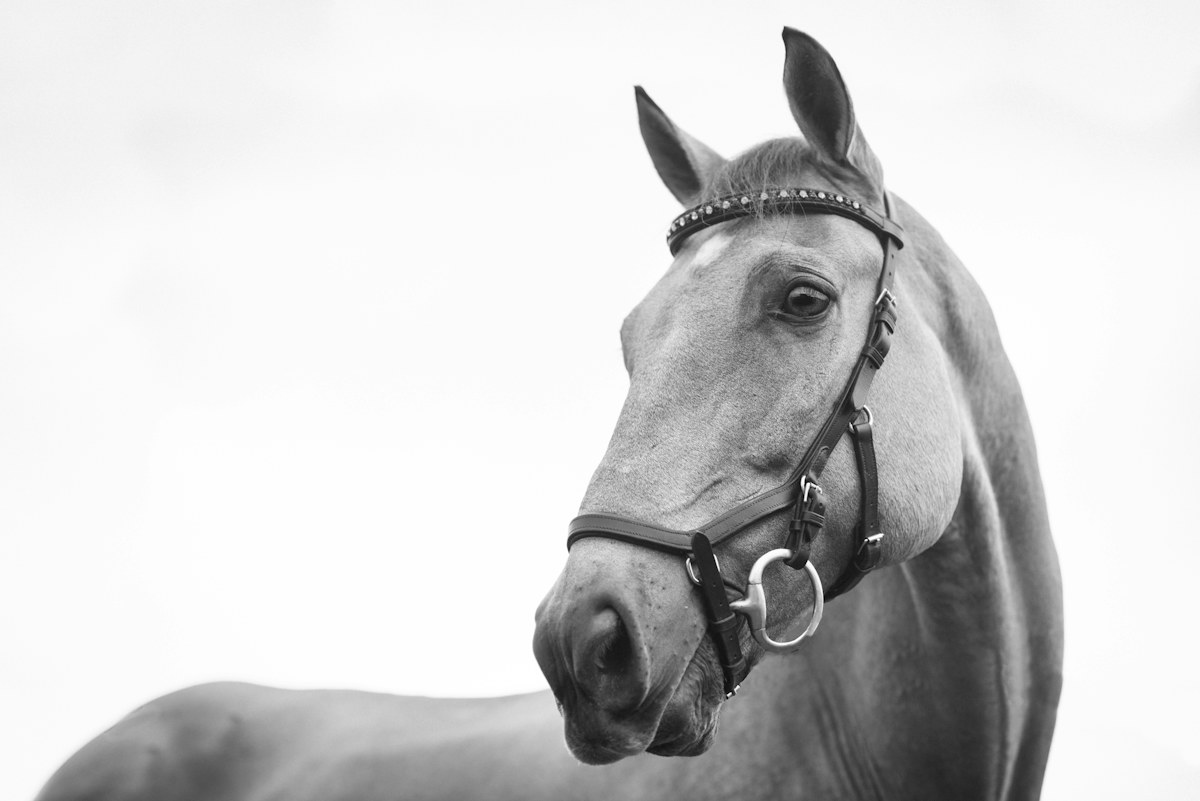
Leather horse bridles require consistent strap dimensions, sound stitching, hardware compatibility and careful fitting. A manufacturer of decorative leather accessories is not automatically experienced in horse tack. Retailers and private-label brands should specify each functional component, not just request a photograph of a finished bridle.
Find suppliers for this topic
No published supplier profile is currently matched to this specific guide. If your leather business provides these products or services, make your capabilities easier for trade buyers to discover.
Choose the bridle style and size range
Define traditional, anatomical, double, driving or other bridle configuration as appropriate, and the intended horse/pony size system. Record headpiece, browband, cheekpiece, throatlash, noseband, rein and buckle dimensions, with an approved measurement chart. Sizes such as pony and full are not universal measurements across factories.
Leather and reinforcement specifications
Specify leather temper, finished thickness, grain and colour, edge treatment, lining and padding. Straps must be assessed for their intended stresses and fit. Ask whether makers cut, split, skive, stitch, finish and assemble leather in-house, and whether components are available for repair or replacement.
Stitching, buckles and fastenings
Agree thread and seam construction, attachment geometry, hole spacing, keeper positions and hardware finish. Request inspection of stress-bearing points and controlled samples for fit and adjustment range. Decorative crystals or ornaments should not compromise safe clearance or the intended function.
Brand development and sample approval
A custom range may include branded browbands, stamped logos, distinctive stitching and packaging. Approve every functional size and the actual leather/hardware combination before bulk production. Document fit testing with relevant animals handled by competent people and establish a defect policy covering broken components, asymmetric assembly and sizing errors.
Wholesale and manufacturing roles
Check whether the company makes tack, supplies it through subcontractors or acts as an exporter. Quote by complete configuration, size and colour, including reins and interchangeable components. Clarify sample charges, leather batch consistency, MOQ per model, replacement-part availability and lead times.
Questions to include in a factory enquiry
- Does the supplier manufacture this product at its own site or use subcontractors?
- Can it demonstrate comparable production and provide representative samples?
- What specifications, patterns, test reports or approvals are required?
- How do MOQs change by design, size, colour and material?
- What quality-inspection records, spare parts or replacement policies are available?
Explore manufacturers and related research
Search LeatherTradeHub’s trade directory for businesses declaring relevant capability, and submit a sourcing request with product drawings, materials, quantities and delivery needs. Inclusion on a directory does not guarantee suitability, safety or orders.
Independent wholesale buying guidance, reviewed 31 October 2026. No supplier or product certification is implied.
LEATHERTRADEHUB · EDITORIAL REFERENCE
Cite this guide
LeatherTradeHub (2026) Leather Bridle Manufacturers: OEM, Wholesale & Equestrian Tack Sourcing. Available at: https://leathertradehub.com/leather-goods-manufacturing/leather-bridle-manufacturers-oem/ (Accessed: 22 November 2026).
Canonical source: https://leathertradehub.com/leather-goods-manufacturing/leather-bridle-manufacturers-oem/
Source information and limitations: Editorial standards · Research and citation policy. Please verify current regulations and technical standards with their original publishers.