
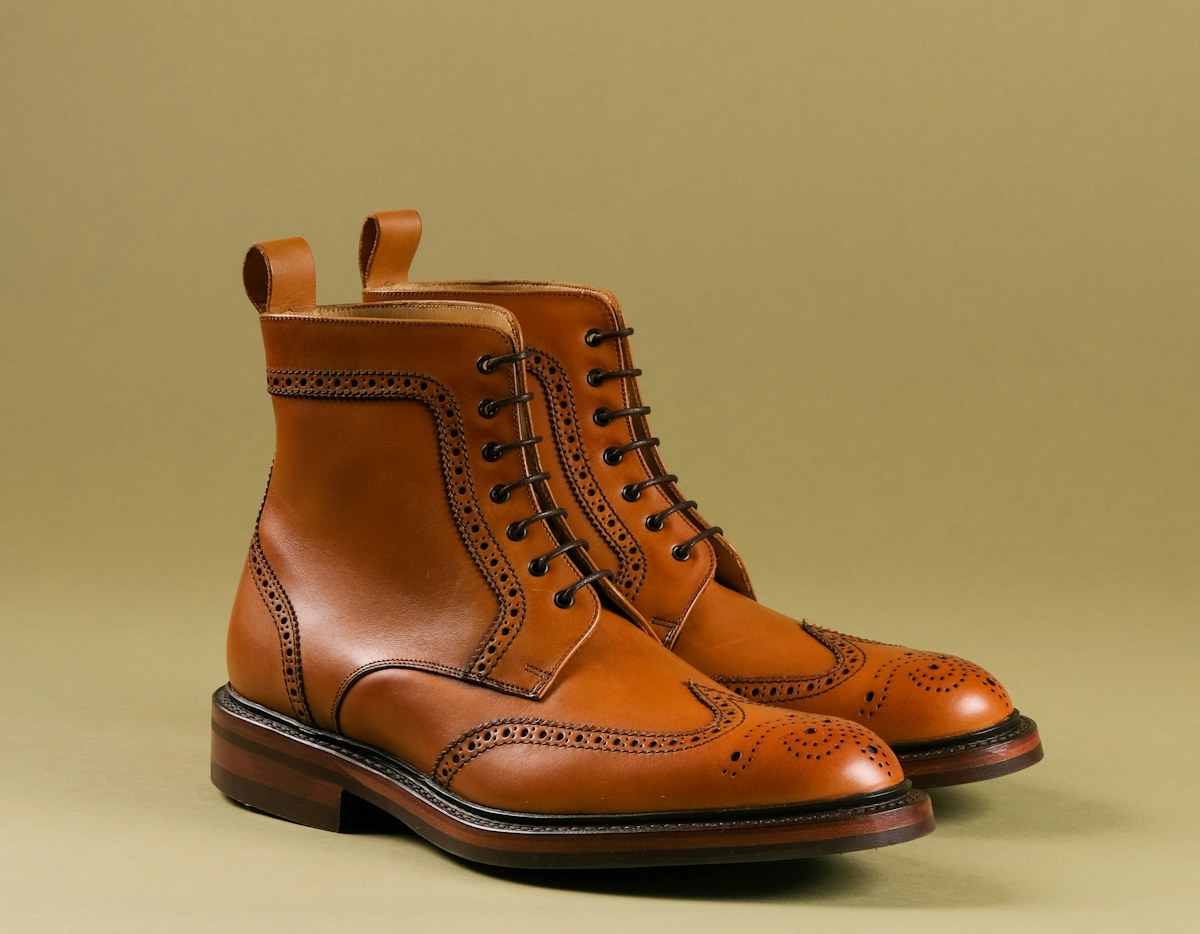
Leather boots combine upper materials, lasting patterns, lining, sole construction and production consistency. A wholesaler sourcing fashion boots has different requirements from a work-boot buyer, so suppliers should be assessed against the exact construction and intended use rather than a generic ‘boot manufacturing’ description.
Find suppliers for this topic
No published supplier profile is currently matched to this specific guide. If your leather business provides these products or services, make your capabilities easier for trade buyers to discover.
Define the boot and sole construction
Clarify ankle, Chelsea, lace-up, hiking, riding or fashion style. Record heel height, shaft dimensions, toe shape, last, closure and whether the boot uses cemented, stitched, welted or other construction. The sole attachment method changes manufacturing capability and repair expectations. Send full reference drawings and identify which processes happen in-house.
Upper and lining leather requirements
Specify leather type, thickness, finish, panel grading, flexibility and acceptable visible marks. Lining and sock liner materials affect comfort and moisture management; request a bill of materials identifying each component. Trial proposed colourways for durability and ensure the chosen leather is appropriate for lasting and tight curves.
Sizing and pattern grading
Require a size run or graded critical-size sample, not only one showroom prototype. Agree the size system, last measurements, calf or shaft fit, pair matching and tolerance on overall height. Fit tests with representative wearers matter because appearance on a last does not guarantee comfort.
Performance claims and intended market
A lifestyle boot is not automatically suitable as safety footwear or a waterproof work boot. If protective or waterproof claims are intended, specify the relevant requirements and obtain independent, article-specific evidence. Check sole grip, flex, seams and finish for the actual use conditions.
Wholesale pricing and production management
Compare suppliers on agreed sole, leather, hardware, lining, tests and packaging. MOQ can vary by last, outsole tool, colour and upper leather. Ask who owns moulds and patterns, how defects will be sorted and how the factory manages repeat orders and seasonal material substitutions.
Questions to include in a factory enquiry
- Does the supplier manufacture this product at its own site or use subcontractors?
- Can it demonstrate comparable production and provide representative samples?
- What specifications, patterns, test reports or approvals are required?
- How do MOQs change by design, size, colour and material?
- What quality-inspection records, spare parts or replacement policies are available?
Explore manufacturers and related research
Search LeatherTradeHub’s trade directory for businesses declaring relevant capability, and submit a sourcing request with product drawings, materials, quantities and delivery needs. Inclusion on a directory does not guarantee suitability, safety or orders.
Independent wholesale buying guidance, reviewed 31 October 2026. No supplier or product certification is implied.
LEATHERTRADEHUB · EDITORIAL REFERENCE
Cite this guide
LeatherTradeHub (2026) Leather Boot Manufacturers: OEM, Private Label & Bulk Production. Available at: https://leathertradehub.com/leather-footwear-garments/leather-boot-manufacturers-oem-wholesale/ (Accessed: 18 November 2026).
Canonical source: https://leathertradehub.com/leather-footwear-garments/leather-boot-manufacturers-oem-wholesale/
Source information and limitations: Editorial standards · Research and citation policy. Please verify current regulations and technical standards with their original publishers.